
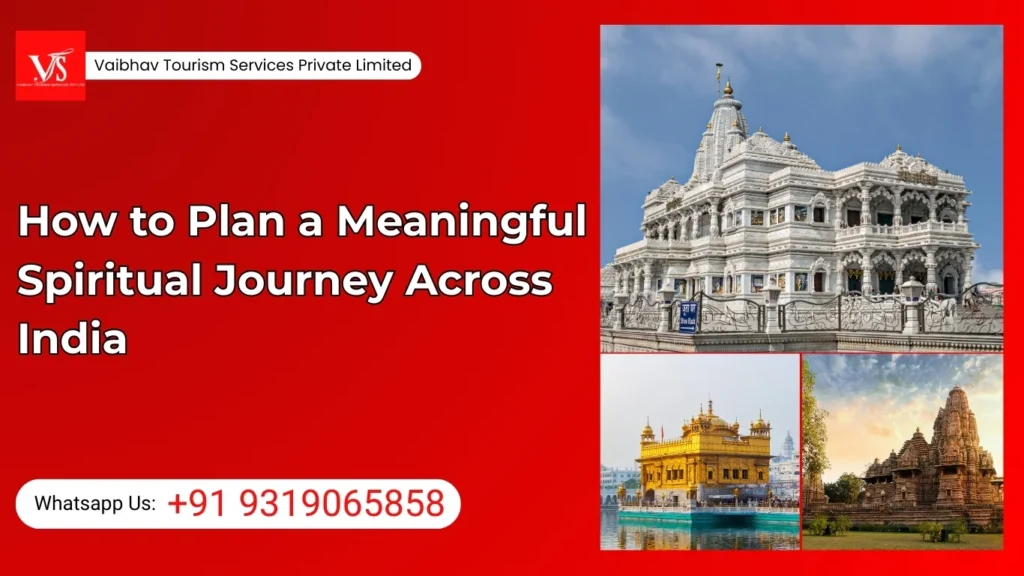
Planning a spiritual journey in India requires more than selecting destinations or following popular pilgrimage routes. India’s spiritual landscape is deeply layered, shaped by centuries of faith, rituals, traditions, and cultural practices. Therefore, a meaningful spiritual journey in India must be thoughtfully planned with clear intent, realistic routing, balanced pacing, and cultural sensitivity to ensure a truly enriching experience.
A well-planned spiritual journey allows travelers to connect deeply with sacred spaces while maintaining physical comfort and mental clarity. Moreover, structured planning ensures that spiritual travel remains purposeful rather than rushed or overwhelming.
Understanding the Purpose of a Spiritual Journey in India
A spiritual journey in India is not simply about visiting temples or holy towns. Instead, it represents a personal exploration of faith, reflection, and cultural understanding. Travelers may seek spiritual growth, religious fulfillment, ancestral connections, or inner peace. Consequently, defining the purpose of the journey is the first and most important step.
Some travelers focus on temple pilgrimages, while others seek meditation retreats, sacred rivers, or spiritual heritage sites. By clarifying the intention early, travelers can plan routes and destinations that align with their spiritual goals rather than following generic itineraries.
Choosing the Right Spiritual Destinations
India offers a vast range of spiritual destinations, each with its own historical and religious significance. However, selecting too many destinations often leads to fatigue and diluted experiences. Therefore, it is advisable to focus on a limited number of spiritually connected locations within a single region or circuit.
For example, North India offers sacred destinations associated with ancient Hindu traditions, while South India is known for temple architecture and devotional practices. Similarly, Buddhist and Jain spiritual circuits provide structured routes rooted in historical narratives. Choosing destinations with shared spiritual context ensures continuity and deeper engagement throughout the journey.
Structuring Routes for Realistic and Balanced Travel
One of the most common mistakes in planning a spiritual journey in India is unrealistic routing. Long travel hours, frequent city changes, and insufficient rest often disrupt spiritual focus. As a result, proper route planning becomes essential.
Travel routes should be structured to minimize excessive road travel while allowing sufficient time at each spiritual site. Moreover, logical sequencing of destinations helps travelers avoid unnecessary backtracking. A balanced route supports both spiritual reflection and physical well-being, which is essential for longer journeys.
Selecting the Right Time for Spiritual Travel
Timing plays a crucial role in spiritual travel experiences. India’s climate, festival calendar, and pilgrimage seasons significantly affect crowd levels and travel conditions. Therefore, choosing the right time enhances both comfort and spiritual engagement.
Many spiritual destinations experience heavy crowds during religious festivals, which may either enrich or overwhelm travelers depending on personal preference. On the other hand, off-season travel often offers quieter environments conducive to meditation and reflection. Understanding seasonal patterns allows travelers to align their journey with the experience they seek.
Maintaining Cultural Sensitivity and Spiritual Etiquette
A meaningful spiritual journey in India requires respect for local customs, rituals, and traditions. Sacred spaces often follow specific dress codes, behavioral guidelines, and ritual practices. Consequently, travelers should familiarize themselves with cultural expectations before visiting spiritual sites.
Simple practices such as modest dressing, observing silence in sanctums, and following temple protocols contribute to a respectful and authentic experience. Moreover, cultural awareness fosters meaningful interactions with local communities, priests, and fellow pilgrims.
Balancing Spiritual Activities with Physical Comfort
Spiritual journeys often involve early morning rituals, temple visits, walking tours, and long travel days. Therefore, maintaining physical comfort is essential to sustain spiritual focus. Comfortable accommodations, manageable daily schedules, and adequate rest periods should be integrated into the itinerary.
Balanced pacing prevents exhaustion and allows travelers to fully absorb the spiritual atmosphere of each destination. Furthermore, well-planned journeys accommodate travelers of different age groups and physical capabilities without compromising the spiritual essence of the trip.
Importance of Professional Planning and Local Coordination
Planning a spiritual journey in India independently can be complex due to logistical challenges, regional variations, and local regulations. Professional planning ensures seamless coordination, reliable local support, and culturally appropriate arrangements.
Experienced planners understand route feasibility, temple timings, crowd patterns, and on-ground logistics. As a result, travelers can focus entirely on their spiritual experience rather than operational concerns. Structured coordination also enhances safety, time management, and overall journey quality.
Creating Space for Reflection and Personal Connection
Beyond logistics and destinations, a meaningful spiritual journey in India must allow time for personal reflection. Moments of stillness, contemplation, and connection often hold greater value than the number of places visited. Therefore, itineraries should intentionally include unstructured time for reflection.
Whether through meditation, prayer, or quiet observation, these moments transform a journey into a deeply personal and memorable experience. Ultimately, spiritual travel is as much about inner exploration as it is about external destinations.
Conclusion
A meaningful spiritual journey in India is the result of thoughtful planning, realistic routing, cultural awareness, and balanced pacing. By defining purpose, selecting appropriate destinations, respecting traditions, and ensuring professional coordination, travelers can experience India’s spiritual heritage in a profound and fulfilling way.
When planned correctly, a spiritual journey in India becomes more than travel—it becomes a transformative experience that resonates long after the journey concludes.