
India is a land of remarkable history, diverse cultures, and architectural wonders. From magnificent forts and ancient temples to breathtaking caves and historic cities, the country offers countless destinations that showcase thousands of years of civilization. Moreover, many of these iconic landmarks are recognized as UNESCO Sites India, reflecting their outstanding cultural, historical, and natural value.
Today, India is home to more than 40 UNESCO World Heritage Sites, making it one of the countries with the highest number of UNESCO-recognized destinations in the world. These sites include majestic monuments, archaeological treasures, sacred temples, national parks, mountain railways, and heritage cities that attract millions of travelers every year.
Whether you are a history enthusiast, architecture lover, photographer, culture explorer, or first-time visitor, these remarkable destinations promise unforgettable experiences. Furthermore, every UNESCO-listed site tells a unique story of India’s glorious past while preserving its heritage for future generations.
This guide introduces the Top 15 UNESCO World Heritage Sites in India that every traveler should explore. Along with their historical significance, you will discover their locations, major attractions, and the best time to visit, helping you plan an enriching journey through India’s extraordinary heritage.
What is a UNESCO World Heritage Site?
A UNESCO World Heritage Site is a landmark or place recognized by the United Nations Educational, Scientific and Cultural Organization (UNESCO) for its outstanding cultural, historical, scientific, or natural importance.
The primary objective of UNESCO is to protect and preserve places that possess exceptional universal value. Therefore, once a destination receives UNESCO World Heritage status, it gains international recognition and receives support for its long-term conservation and protection.
India’s UNESCO World Heritage Sites include:
- Historic monuments
- Ancient temples
- Rock-cut caves
- Archaeological sites
- Heritage cities
- Colonial architecture
- National parks
- Natural landscapes
- Mountain railways
As a result, these extraordinary destinations not only preserve India’s rich heritage but also promote sustainable tourism, education, and cultural awareness across the world.
Why Visit UNESCO World Heritage Sites in India?
Visiting UNESCO Sites India offers much more than sightseeing. Instead, it provides an opportunity to experience India’s fascinating history, artistic excellence, architectural brilliance, and cultural diversity.
Some of the reasons to visit include:
- Explore India’s rich historical heritage.
- Discover world-famous architecture and craftsmanship.
- Experience centuries-old traditions and cultures.
- Visit internationally recognized heritage landmarks.
- Learn about ancient kingdoms and civilizations.
- Enjoy exceptional photography opportunities.
- Experience local festivals, cuisine, and traditions.
- Support heritage conservation through responsible tourism.
Moreover, most UNESCO sites are well connected by air, rail, and road. Therefore, travelers can easily include several destinations within a single India tour itinerary.
Top 15 UNESCO World Heritage Sites in India
| No. | UNESCO World Heritage Site | State |
|---|---|---|
| 1 | Taj Mahal | Uttar Pradesh |
| 2 | Agra Fort | Uttar Pradesh |
| 3 | Fatehpur Sikri | Uttar Pradesh |
| 4 | Khajuraho Group of Monuments | Madhya Pradesh |
| 5 | Ajanta Caves | Maharashtra |
| 6 | Ellora Caves | Maharashtra |
| 7 | Hampi | Karnataka |
| 8 | Group of Monuments at Mahabalipuram | Tamil Nadu |
| 9 | Sun Temple, Konark | Odisha |
| 10 | Churches and Convents of Goa | Goa |
| 11 | Qutub Minar and its Monuments | Delhi |
| 12 | Red Fort Complex | Delhi |
| 13 | Jaipur City | Rajasthan |
| 14 | Kaziranga National Park | Assam |
| 15 | Keoladeo National Park | Rajasthan |
The destinations listed below represent some of India’s most iconic UNESCO World Heritage Sites. Each site offers a unique blend of history, architecture, culture, and unforgettable travel experiences, making them must-visit destinations for every traveler exploring India.
1. Taj Mahal – The Symbol of Eternal Love
 Location: Agra, Uttar Pradesh
Significance
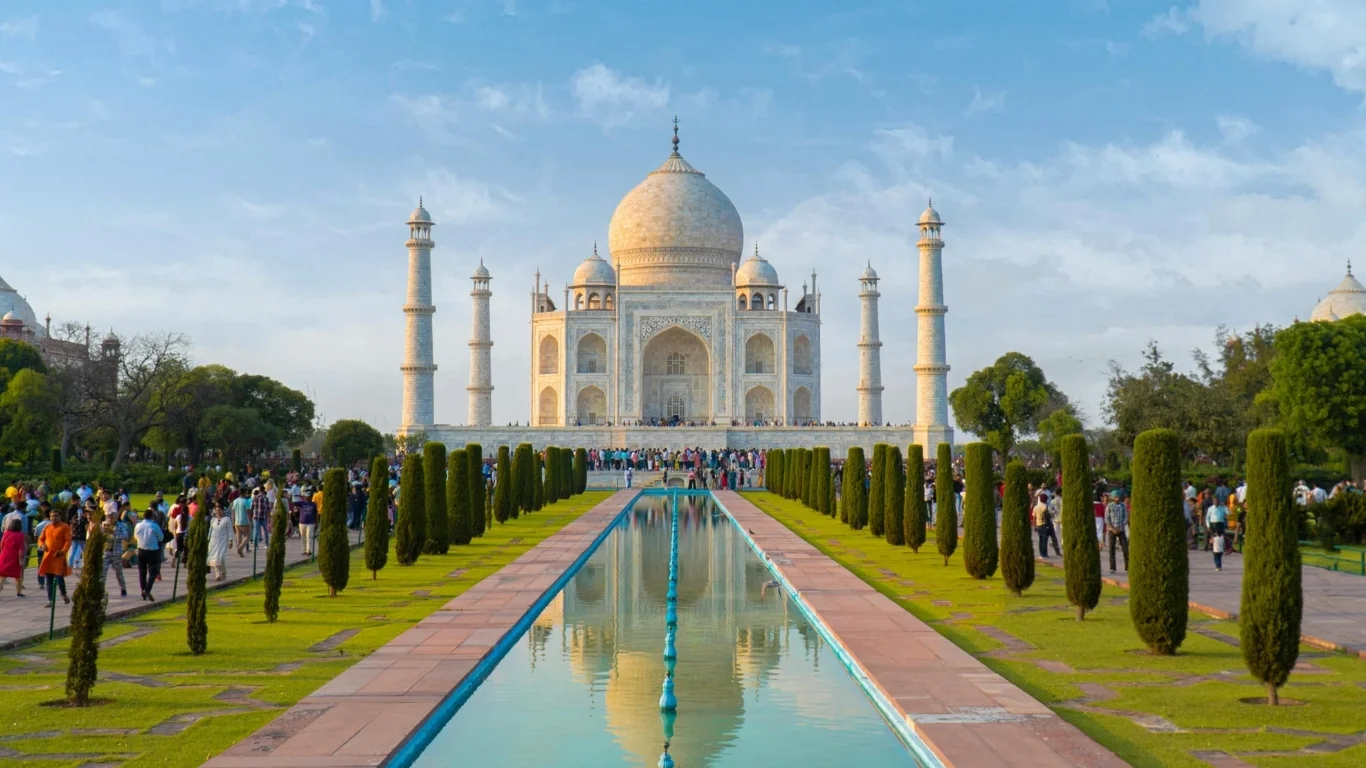
The Taj Mahal is India’s most iconic monument and one of the world’s greatest architectural masterpieces. Built by Mughal Emperor Shah Jahan in memory of his beloved wife Mumtaz Mahal, this magnificent white marble mausoleum symbolizes eternal love and timeless beauty. Therefore, it attracts millions of visitors from around the globe every year.
Moreover, the Taj Mahal was designated as a UNESCO World Heritage Site in 1983 due to its outstanding universal value and exceptional Mughal architecture. Its perfectly symmetrical design, intricate marble inlay work, beautiful gardens, and reflecting pools make it one of the most photographed landmarks in the world. As a result, the monument remains the most visited tourist attraction in India.
Highlights
- UNESCO World Heritage Site since 1983
- Built entirely from white Makrana marble
- Outstanding Mughal architecture
- Intricate marble inlay craftsmanship
- One of the Seven Wonders of the World
- Spectacular sunrise and sunset views
Best Time to Visit
October to March
2. Agra Fort – The Majestic Mughal Fortress
Significance
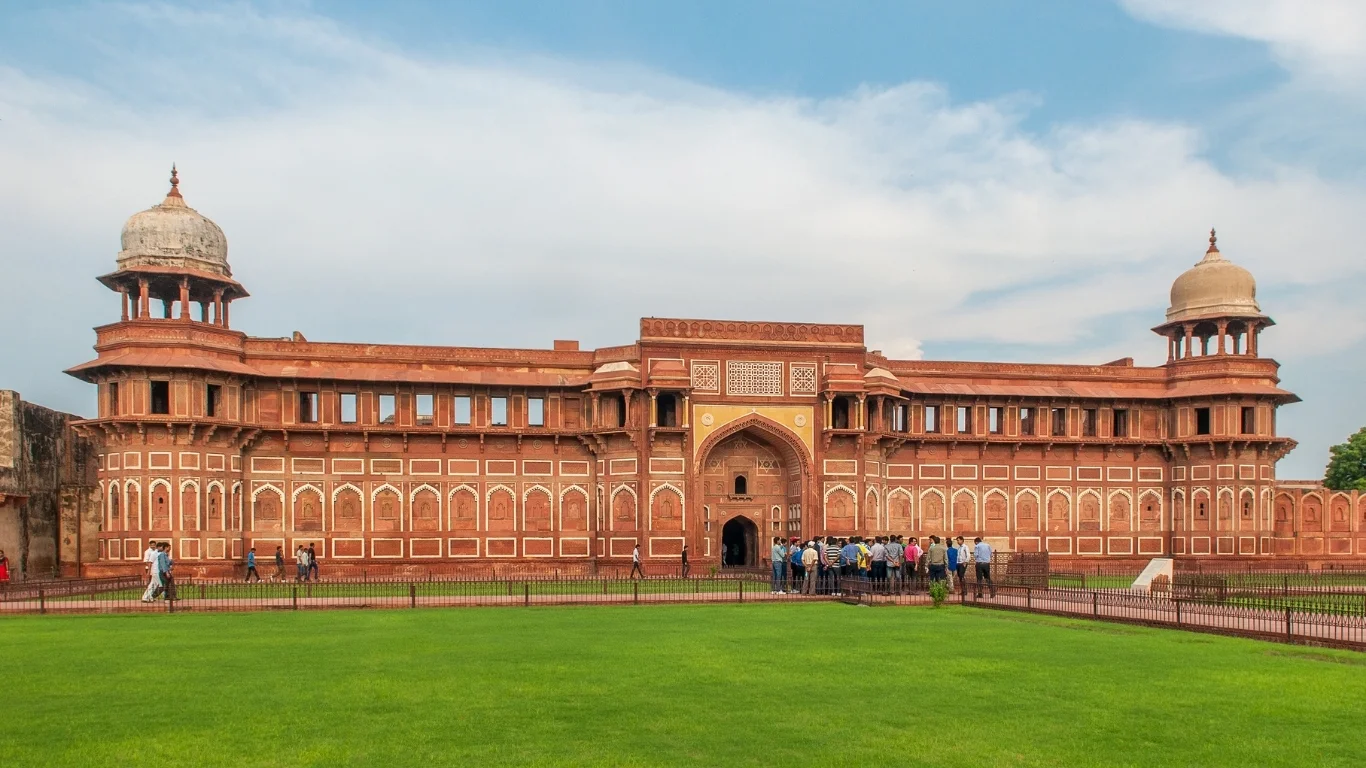
Located just a few kilometers from the Taj Mahal, Agra Fort is one of India’s most impressive Mughal forts. Constructed by Emperor Akbar in the 16th century, the fort served as the primary residence of the Mughal emperors for many years. Consequently, it became the political and administrative center of the Mughal Empire.
Furthermore, the massive red sandstone fortress houses several remarkable structures, including Jahangir Mahal, Khas Mahal, Diwan-i-Am, Diwan-i-Khas, and Musamman Burj, where Shah Jahan spent his final years. Moreover, the fort offers breathtaking views of the Taj Mahal from across the Yamuna River.
Highlights
- UNESCO World Heritage Site
- Magnificent Mughal architecture
- Massive red sandstone walls
- Jahangir Mahal and Khas Mahal
- Diwan-i-Am and Diwan-i-Khas
- Stunning views of the Taj Mahal
Best Time to Visit
October to March
3. Fatehpur Sikri – Akbar’s Historic Capital
Significance
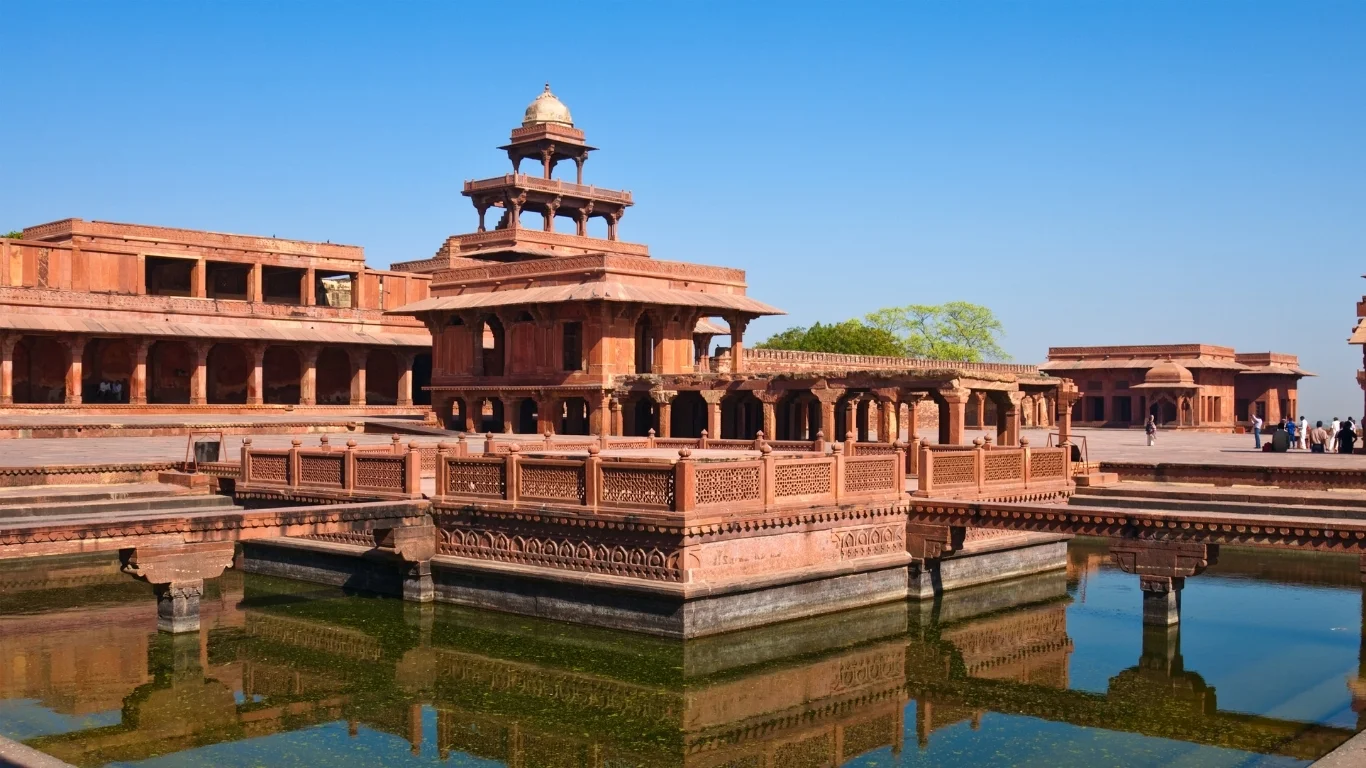
Fatehpur Sikri is a magnificent fortified city built by Emperor Akbar during the 16th century. Originally, it served as the capital of the Mughal Empire for a brief period before water shortages led to its abandonment. Nevertheless, the city remains one of the finest examples of Mughal urban planning and Indo-Islamic architecture.
Moreover, the complex features several remarkable monuments, including the Buland Darwaza, Jama Masjid, Panch Mahal, Diwan-i-Khas, Diwan-i-Am, and the revered Tomb of Sheikh Salim Chishti. As a result, Fatehpur Sikri attracts history enthusiasts, architecture lovers, and pilgrims from around the world.
Highlights
- UNESCO World Heritage Site
- Buland Darwaza – the world’s tallest gateway
- Tomb of Sheikh Salim Chishti
- Panch Mahal
- Jama Masjid
- Outstanding Mughal architecture
Best Time to Visit
October to March
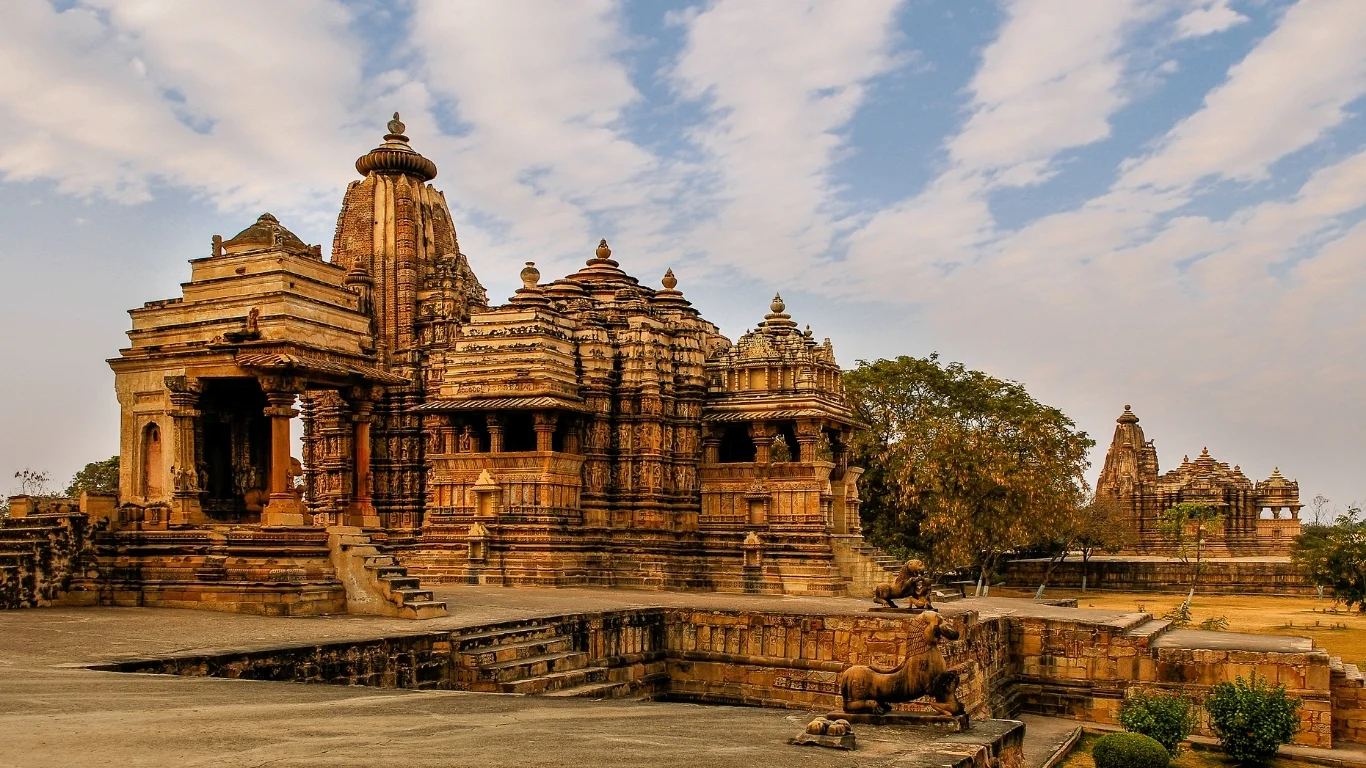
4. Khajuraho Group of Monuments – A Masterpiece of Indian Architecture
Significance
The Khajuraho Group of Monuments is one of India’s finest examples of medieval temple architecture. Built by the Chandela Dynasty between the 9th and 12th centuries, these magnificent temples are renowned for their intricate stone carvings, artistic sculptures, and exceptional craftsmanship. Therefore, Khajuraho has become one of the most celebrated UNESCO World Heritage Sites in India.
Moreover, the temple complex showcases a harmonious blend of spirituality, architecture, and art. Although many people recognize Khajuraho for its famous sculptures, the temples also depict scenes from daily life, music, dance, mythology, and devotion. As a result, visitors gain valuable insights into India’s rich cultural and artistic heritage.
Highlights
- UNESCO World Heritage Site since 1986
- Magnificent Nagara-style temple architecture
- Intricately carved stone sculptures
- Built by the Chandela Dynasty
- Western, Eastern, and Southern temple groups
- Evening Sound and Light Show
Best Time to Visit
October to March
5. Ajanta Caves – The Timeless Buddhist Masterpieces
Significance
The Ajanta Caves are among the world’s greatest examples of ancient Buddhist art and architecture. Carved between the 2nd century BCE and the 6th century CE, these rock-cut caves served as monasteries and prayer halls for Buddhist monks. Today, they stand as one of India’s most treasured archaeological sites.
Furthermore, the caves are famous for their beautifully preserved murals, sculptures, and paintings that illustrate the life of Lord Buddha and various Jataka Tales. Consequently, Ajanta attracts historians, art lovers, photographers, and travelers from around the world.
Highlights
- UNESCO World Heritage Site
- Ancient Buddhist monasteries and prayer halls
- Beautiful murals and wall paintings
- Intricately carved rock-cut sculptures
- Peaceful natural surroundings
- Rich archaeological importance
Best Time to Visit
October to March
6. Ellora Caves – India’s Extraordinary Rock-Cut Heritage
Significance
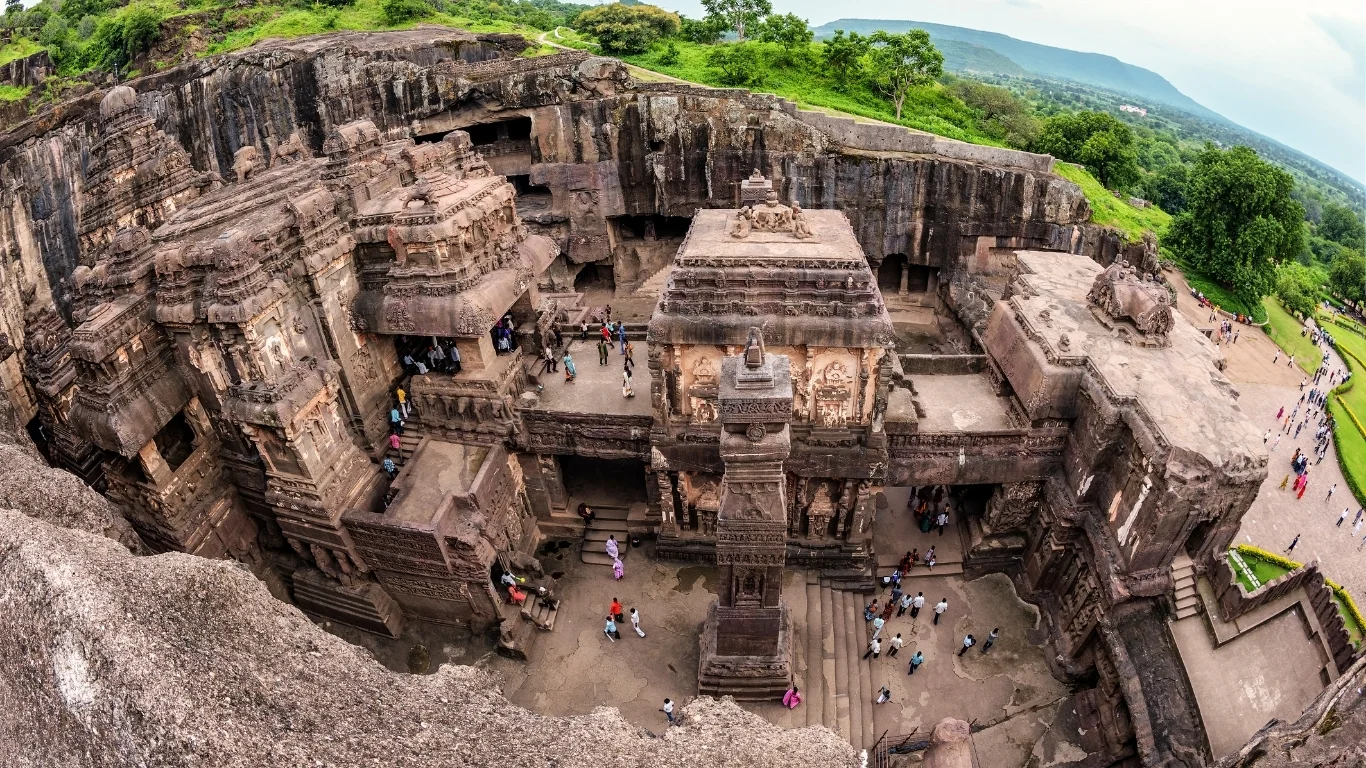
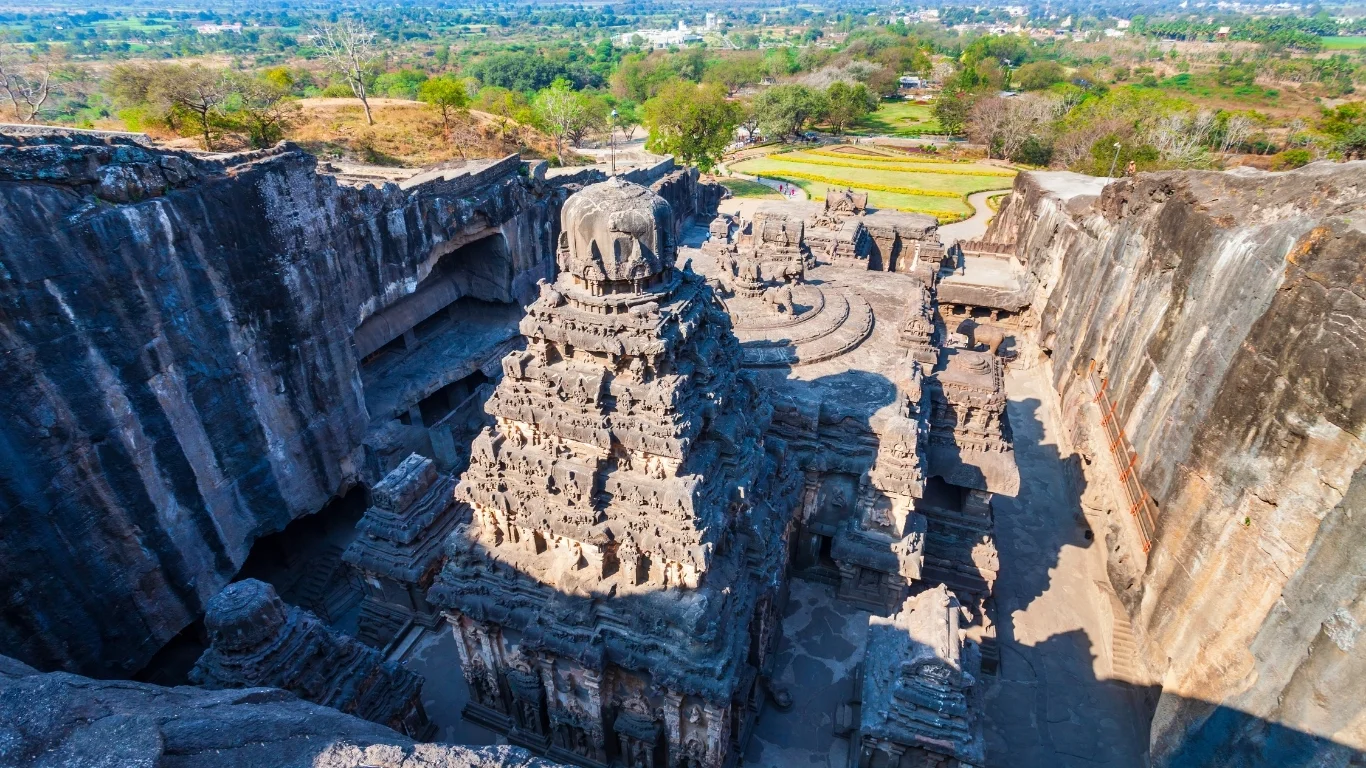
The Ellora Caves represent one of the world’s most remarkable achievements in rock-cut architecture. Unlike many historical sites, Ellora beautifully brings together Buddhist, Hindu, and Jain monuments within a single complex. Therefore, it symbolizes India’s long-standing tradition of religious harmony and artistic excellence.
Moreover, the site consists of 34 magnificent caves, each featuring intricate carvings, temples, monasteries, and prayer halls. Among them, the spectacular Kailasa Temple (Cave 16) stands out as the world’s largest monolithic rock-cut temple, carved entirely from a single rock. As a result, Ellora is considered one of the greatest engineering and architectural marvels ever created.
Highlights
- UNESCO World Heritage Site since 1983
- Famous Kailasa Temple
- 34 rock-cut caves
- Buddhist, Hindu, and Jain monuments
- Exceptional stone carvings
- One of India’s greatest archaeological treasures
Best Time to Visit
October to March
7. Hampi – The Glorious Capital of the Vijayanagara Empire
Significance
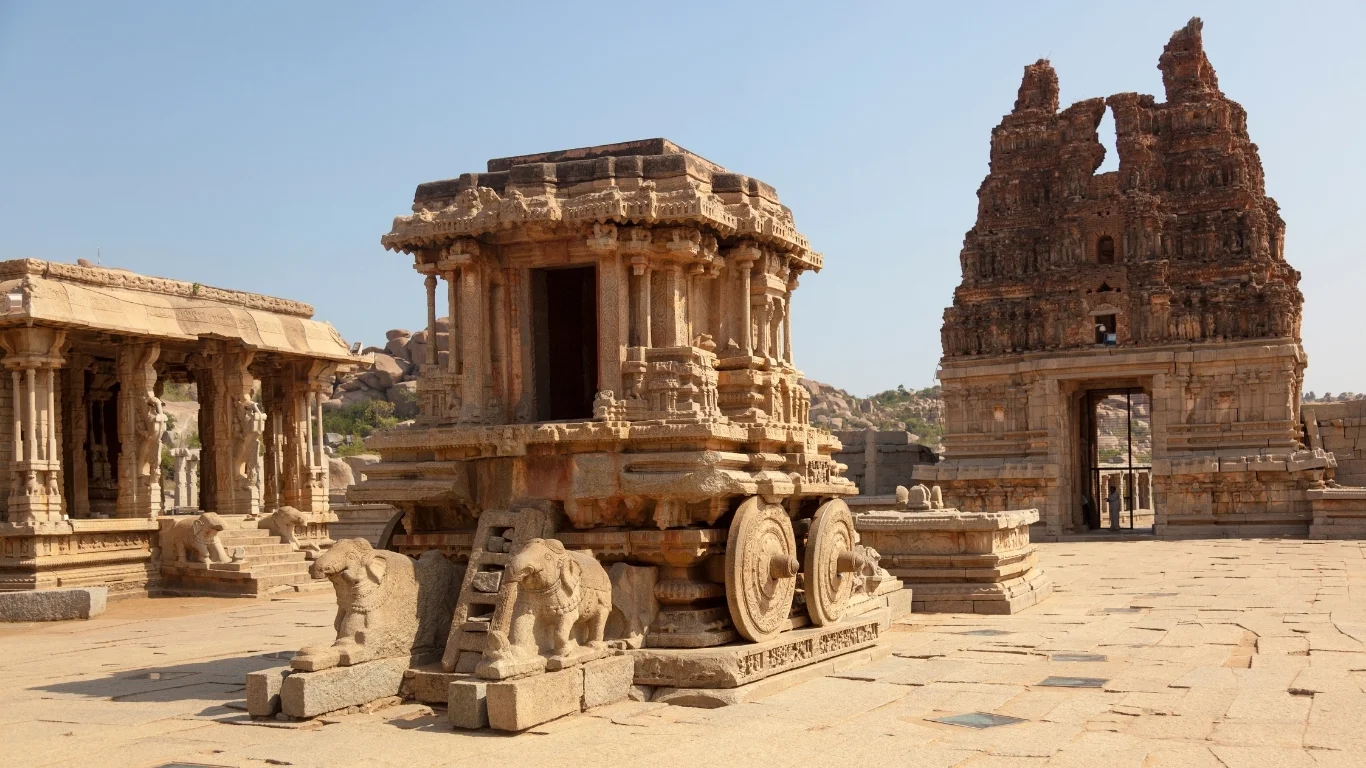
Hampi is one of India’s most spectacular archaeological destinations and a UNESCO World Heritage Site. Once the magnificent capital of the Vijayanagara Empire, Hampi flourished as one of the richest and largest cities in the world during the 14th and 15th centuries. Today, its impressive ruins reflect the grandeur, architectural excellence, and cultural achievements of a remarkable civilization.
Moreover, Hampi is famous for its beautifully carved temples, royal complexes, ancient markets, and giant boulder-strewn landscapes. As a result, it attracts history enthusiasts, photographers, backpackers, and architecture lovers from around the world.
Highlights
- UNESCO World Heritage Site
- Virupaksha Temple
- Vittala Temple and the iconic Stone Chariot
- Lotus Mahal
- Elephant Stables
- Ancient Bazaar Street
- Stunning rocky landscape
Best Time to Visit
October to February
8. Group of Monuments at Mahabalipuram – Masterpieces of Pallava Architecture
Significance
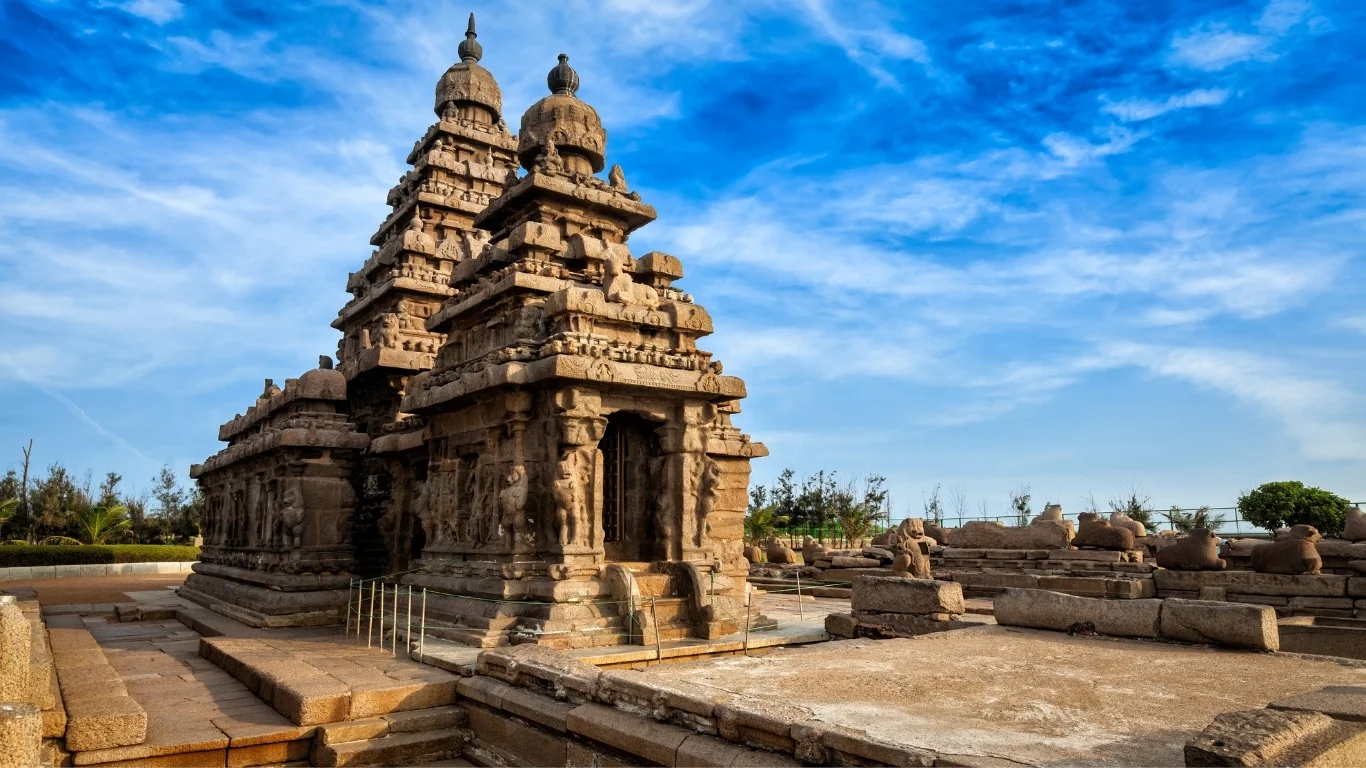
The Group of Monuments at Mahabalipuram showcases the remarkable architectural achievements of the Pallava Dynasty. Built between the 7th and 8th centuries, these monuments feature intricately carved rock-cut temples, cave sanctuaries, monolithic sculptures, and magnificent stone carvings that continue to amaze visitors.
Furthermore, the famous Shore Temple, overlooking the Bay of Bengal, is one of the oldest structural stone temples in South India. In addition, the enormous rock relief known as Arjuna’s Penance or Descent of the Ganges is considered one of the finest masterpieces of ancient Indian sculpture.
Highlights
- UNESCO World Heritage Site
- Shore Temple
- Five Rathas (Pancha Rathas)
- Arjuna’s Penance
- Rock-cut cave temples
- Beautiful coastal location
Best Time to Visit
October to March
9. Sun Temple, Konark – The Magnificent Chariot of the Sun God
Significance
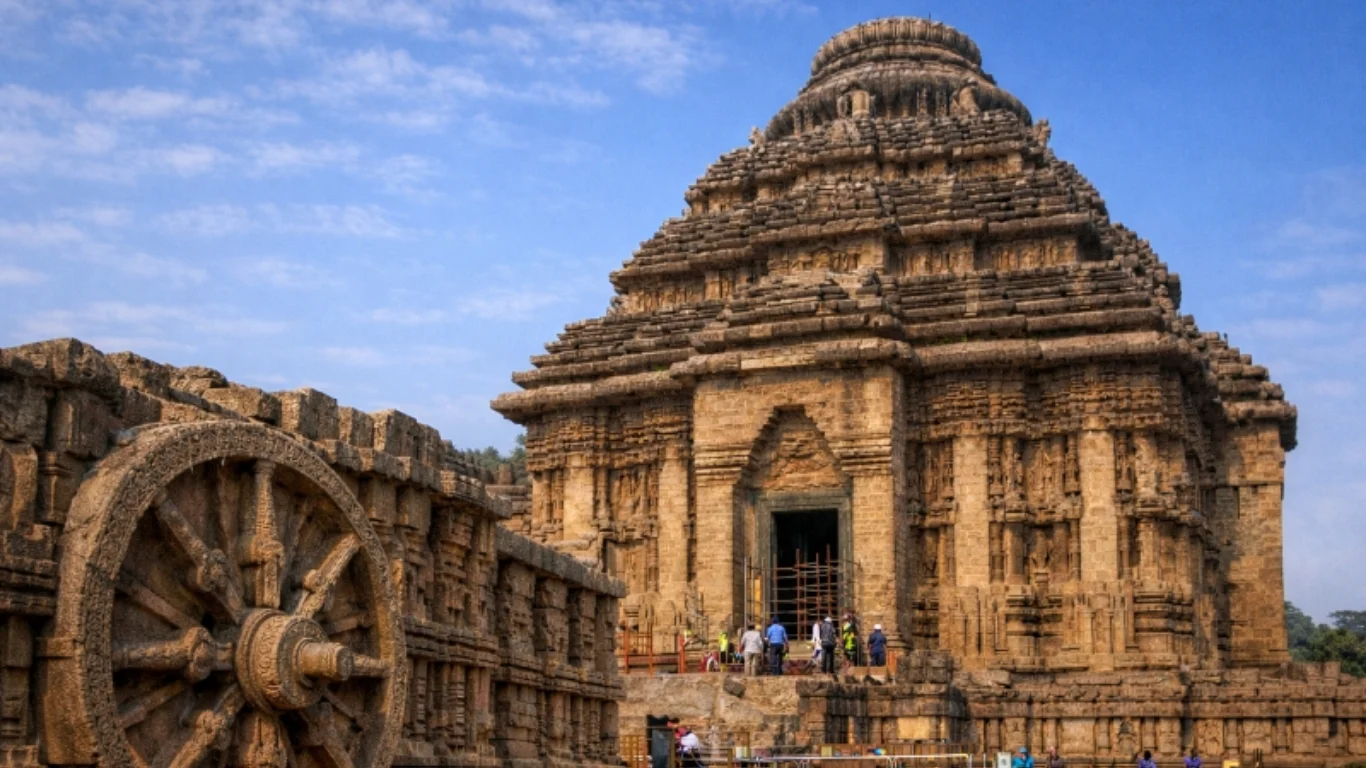
The Sun Temple at Konark is one of India’s finest examples of ancient temple architecture and a celebrated UNESCO World Heritage Site. Built during the 13th century by King Narasimhadeva I, the temple was designed in the shape of a colossal stone chariot dedicated to Surya, the Sun God.
Moreover, the temple is renowned for its twelve intricately carved stone wheels, majestic sculptures, and extraordinary craftsmanship that reflects the brilliance of Kalinga architecture. Although parts of the temple have weathered over time, it continues to stand as one of India’s greatest architectural masterpieces.
Every year, thousands of visitors also attend the famous Konark Dance Festival, which celebrates India’s rich heritage through classical dance performances against the stunning backdrop of the temple
10. Churches and Convents of Goa – A Legacy of Portuguese Heritage
Significance
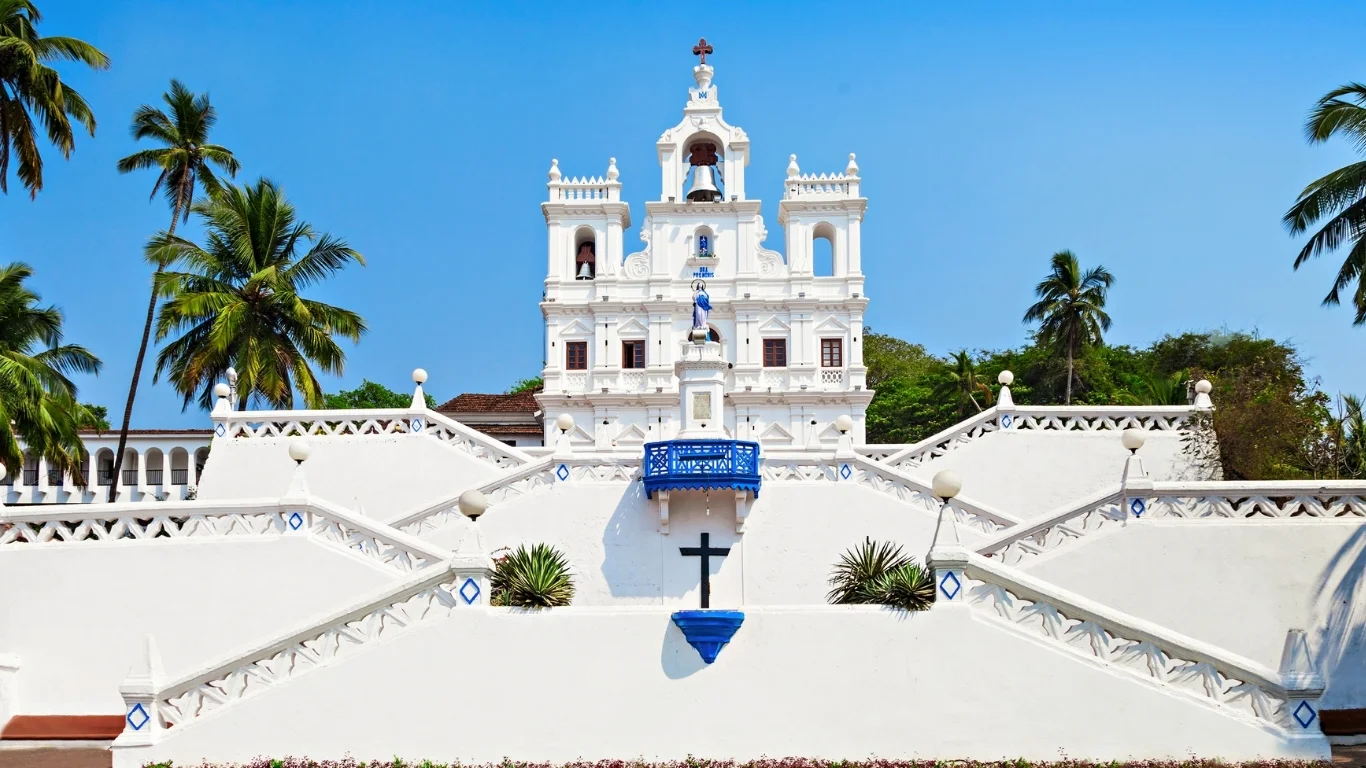
The Churches and Convents of Goa represent one of India’s most remarkable collections of colonial-era architecture and Christian heritage. Built during the 16th and 17th centuries under Portuguese rule, these magnificent structures reflect a unique blend of European and Indian architectural styles. Therefore, they stand as important landmarks showcasing Goa’s rich cultural and religious history.
Moreover, the complex includes several historic churches and convents that played a significant role in spreading Christianity across Asia. Among them, the Basilica of Bom Jesus, which houses the mortal remains of St. Francis Xavier, is the most famous and attracts pilgrims and tourists from around the world. As a result, Old Goa remains one of India’s most visited heritage destinations.
Highlights
- UNESCO World Heritage Site
- Basilica of Bom Jesus
- Se Cathedral
- Church of St. Francis of Assisi
- Portuguese colonial architecture
- Rich religious and historical significance
Best Time to Visit
November to February
11. Qutub Minar and its Monuments – Delhi’s Iconic Medieval Landmark
Significance
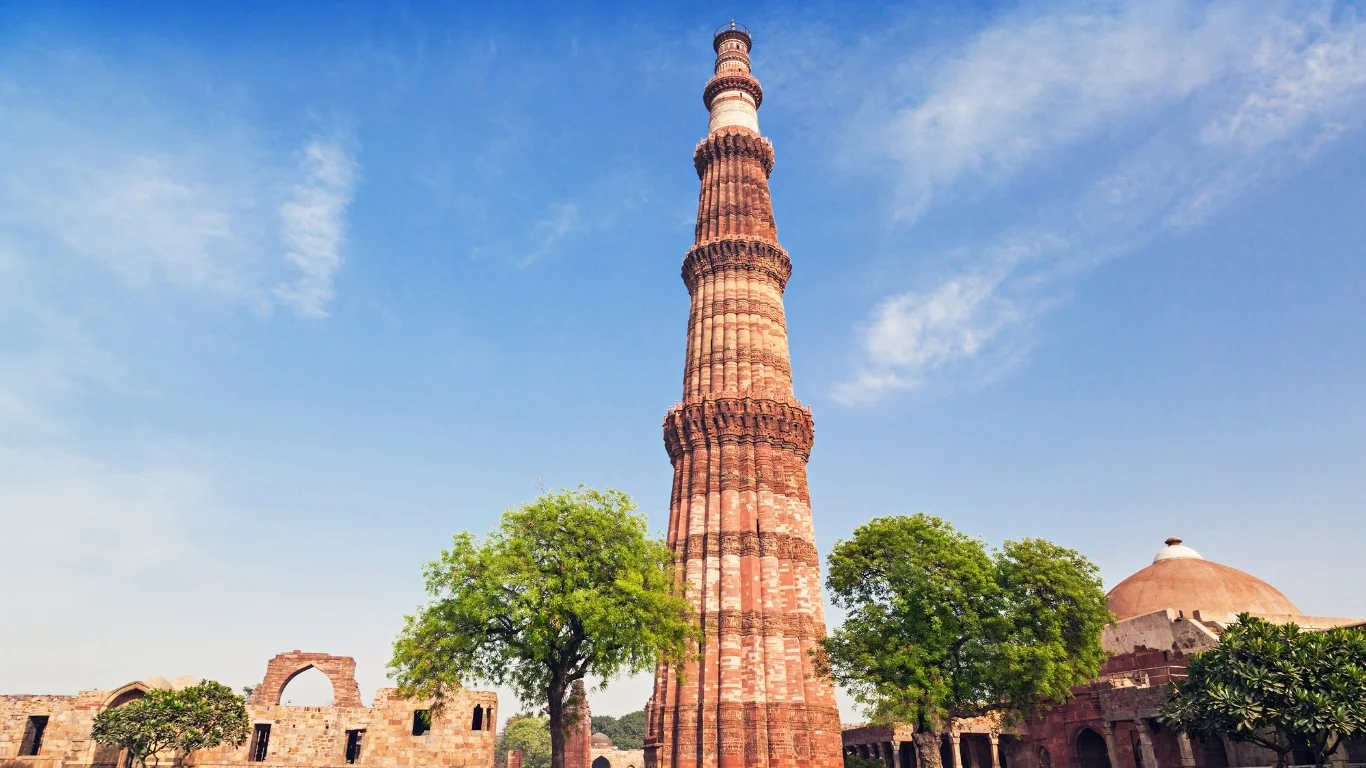
The Qutub Minar is one of India’s most recognizable historical monuments and the tallest brick minaret in the world. Construction began in 1192 under Qutb-ud-din Aibak and was later completed by his successors. Consequently, the monument became a symbol of the beginning of the Delhi Sultanate.
Furthermore, the Qutub Complex features several remarkable structures, including the Quwwat-ul-Islam Mosque, Alai Darwaza, Alai Minar, and the famous Iron Pillar, which has resisted corrosion for over 1,600 years. Moreover, the intricate carvings and Indo-Islamic architecture make the complex a must-visit destination for history lovers.
Highlights
- UNESCO World Heritage Site
- World’s tallest brick minaret
- Quwwat-ul-Islam Mosque
- Historic Iron Pillar
- Beautiful Indo-Islamic architecture
- Rich medieval history
Best Time to Visit
October to March
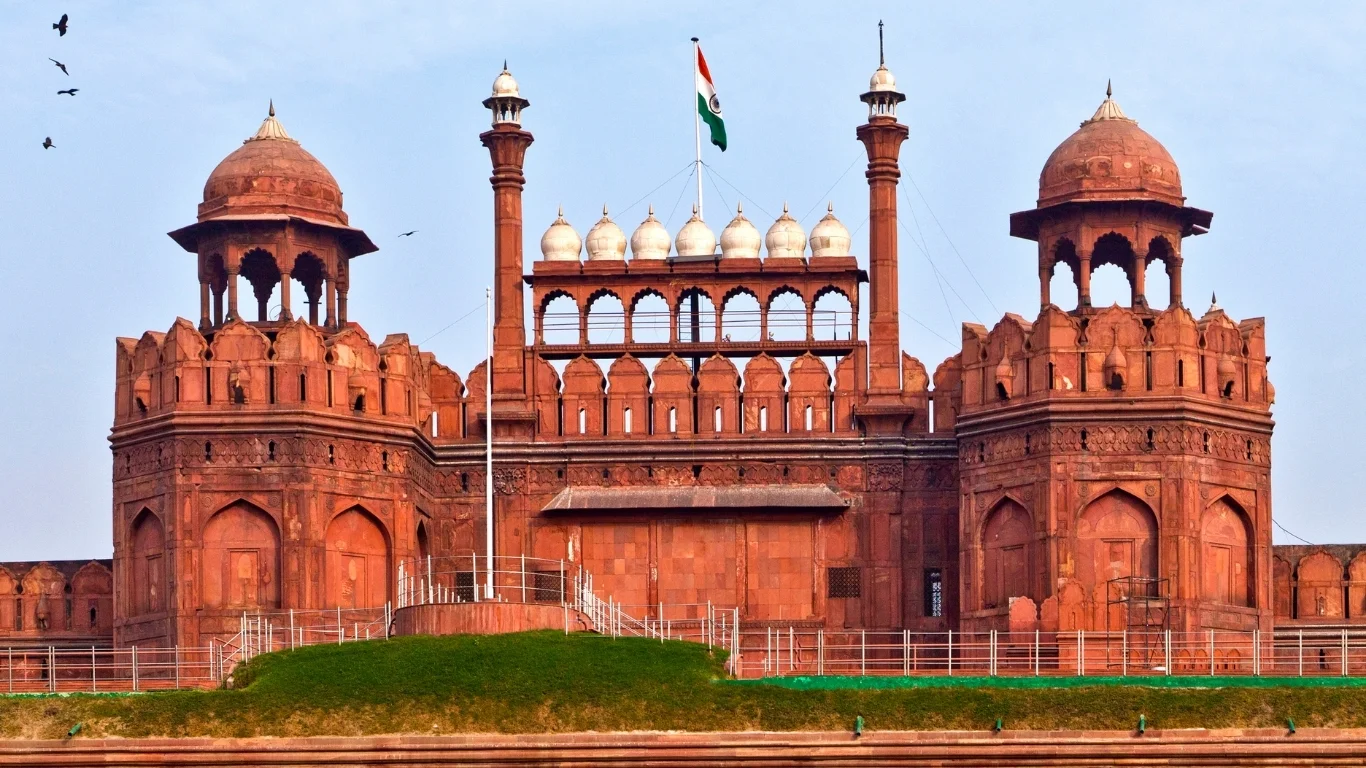
12. Red Fort Complex – The Pride of Mughal Delhi
Significance
The Red Fort Complex is one of India’s most important historical monuments and a magnificent example of Mughal architecture. Built by Emperor Shah Jahan in the 17th century, the fort served as the main residence of the Mughal emperors for nearly 200 years. Today, it stands as a powerful symbol of India’s rich heritage and national pride.
Moreover, the Red Fort holds immense historical significance because the Prime Minister of India hoists the national flag here every year on Independence Day. In addition, the fort houses impressive structures such as the Lahori Gate, Diwan-i-Aam, Diwan-i-Khas, Rang Mahal, and Moti Masjid, offering visitors a glimpse into the grandeur of the Mughal era.
Highlights
- UNESCO World Heritage Site
- Symbol of India’s Independence
- Lahori Gate
- Diwan-i-Aam and Diwan-i-Khas
- Rang Mahal
- Evening Light and Sound Show
Best Time to Visit
October to March
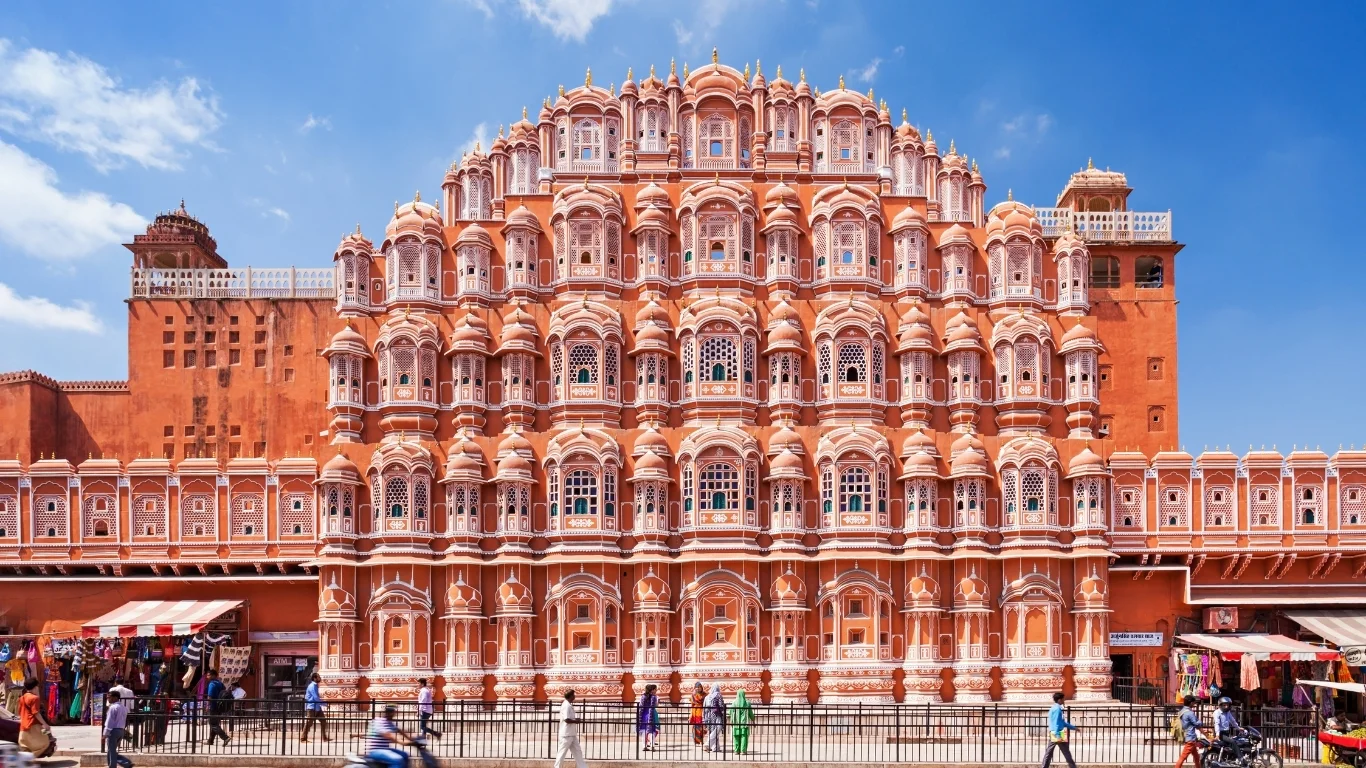
13. Jaipur City – The Pink City of India
Significance
Jaipur City, popularly known as the Pink City, is one of India’s finest examples of planned urban development and royal heritage. Founded in 1727 by Maharaja Sawai Jai Singh II, Jaipur became the first planned city in India, combining traditional Rajput architecture with advanced town planning principles. Therefore, UNESCO recognized Jaipur as a World Heritage Site in 2019 for its exceptional cultural and architectural significance.
Moreover, the city is renowned for its magnificent palaces, bustling bazaars, historic forts, and vibrant culture. As a result, Jaipur attracts millions of travelers every year who wish to experience Rajasthan’s royal heritage, colorful traditions, and architectural masterpieces.
Highlights
- UNESCO World Heritage City
- City Palace
- Hawa Mahal
- Jantar Mantar
- Albert Hall Museum
- Johari Bazaar and Bapu Bazaar
- Rich Rajput architecture
Best Time to Visit
October to March
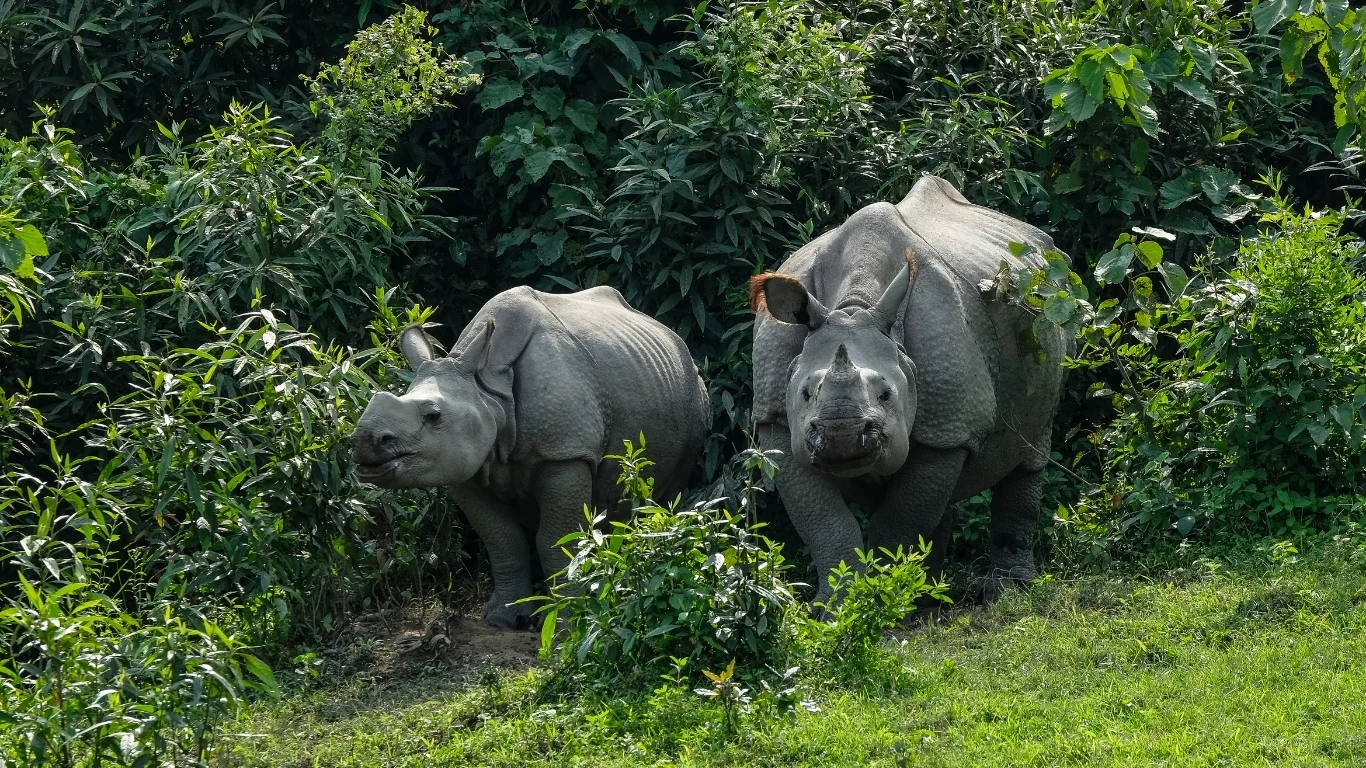
14. Kaziranga National Park – Home of the One-Horned Rhinoceros
Significance
Kaziranga National Park is one of India’s most celebrated wildlife destinations and a UNESCO World Heritage Site. Famous for its population of the endangered Greater One-Horned Rhinoceros, the park plays a vital role in wildlife conservation. Moreover, Kaziranga supports an extraordinary variety of flora and fauna, making it one of the richest biodiversity hotspots in Asia.
Furthermore, the park is home to Royal Bengal Tigers, Asian Elephants, Wild Water Buffaloes, Swamp Deer, and hundreds of bird species. Consequently, wildlife enthusiasts, photographers, and nature lovers from around the world visit Kaziranga to experience its remarkable natural beauty and thrilling jungle safaris.
Highlights
- UNESCO World Heritage Site
- Greater One-Horned Rhinoceros
- Jeep Safari
- Elephant Safari
- Royal Bengal Tigers
- Rich birdlife
- Exceptional biodiversity
Best Time to Visit
November to April
15. Keoladeo National Park – A Paradise for Bird Lovers

Significance
Keoladeo National Park, formerly known as Bharatpur Bird Sanctuary, is one of the world’s most important bird sanctuaries and a UNESCO World Heritage Site. Originally developed as a royal hunting reserve, it has evolved into a globally recognized wetland that supports hundreds of resident and migratory bird species.
Moreover, the park attracts birds from Central Asia, Europe, and Siberia during the winter season. As a result, birdwatchers, wildlife photographers, and nature enthusiasts consider Keoladeo one of the finest birding destinations in the world. The park also provides excellent opportunities for cycling, walking, and guided rickshaw tours.
Highlights
- UNESCO World Heritage Site
- Over 370 bird species
- Bharatpur Bird Sanctuary
- Cycling and rickshaw safaris
- Wetland ecosystem
- Excellent bird photography destination
Best Time to Visit
October to February
Best Time to Visit UNESCO World Heritage Sites in India
The ideal time to explore most UNESCO World Heritage Sites in India is between October and March, when the weather remains pleasant across much of the country. During this period, travelers can comfortably visit historical monuments, heritage cities, and national parks while enjoying outdoor sightseeing.
October to March (Recommended)
- Pleasant weather for sightseeing.
- Ideal for heritage walks and photography.
- Comfortable for families and older adults.
- Perfect for exploring multiple destinations in one trip.
April to June
- Suitable for hill destinations and selected heritage sites.
- Early morning visits are recommended due to higher temperatures.
July to September
- Monsoon enhances the beauty of many monuments and landscapes.
- Fewer crowds at several heritage attractions.
- Carry rain gear while travelling.
Travel Tips for Visiting UNESCO Sites in India
- Start sightseeing early in the morning.
- Wear comfortable walking shoes.
- Carry drinking water and sunscreen.
- Respect monument rules and protected areas.
- Hire licensed guides for a better understanding of history.
- Book tickets online wherever available.
- Carry a valid photo ID during your journey.
- Avoid littering and support responsible tourism.
- Follow photography guidelines at each monument.
- Plan your itinerary according to regional weather conditions.
Frequently Asked Questions (FAQs)
1. How many UNESCO World Heritage Sites are there in India?
India has more than 40 UNESCO World Heritage Sites, including cultural, natural, and mixed heritage properties.
2. Which is the most famous UNESCO World Heritage Site in India?
The Taj Mahal in Agra is the most famous UNESCO World Heritage Site and one of the Seven Wonders of the World.
3. Which state has the highest number of UNESCO World Heritage Sites?
Maharashtra is among the states with the highest number of UNESCO-recognized sites, including the Ajanta Caves, Ellora Caves, Chhatrapati Shivaji Maharaj Terminus, and the Victorian Gothic and Art Deco Ensembles of Mumbai.
4. What is the best time to visit UNESCO World Heritage Sites in India?
October to March is generally the best time because of the pleasant weather.
5. Are UNESCO World Heritage Sites suitable for family trips?
Yes. Most UNESCO sites offer excellent visitor facilities and are suitable for families, groups, students, and international travelers.
6. Can I visit multiple UNESCO sites in one trip?
Yes. Many UNESCO sites are located close to each other and can easily be combined into a single travel itinerary.
7. Are guided tours available at these heritage sites?
Yes. Most UNESCO sites provide licensed guides or audio guides to help visitors understand their history and significance.
8. Why are UNESCO World Heritage Sites important?
They preserve places of exceptional cultural, historical, and natural importance while promoting conservation, education, and sustainable tourism worldwide.
Explore India’s Timeless Heritage with Vaibhav Tourism Services Pvt. Ltd.
India’s UNESCO World Heritage Sites offer an unforgettable journey through centuries of history, culture, architecture, and natural beauty. Whether you are planning a heritage holiday, a cultural exploration, or a family vacation, these destinations promise memorable experiences for every traveler.
With over 26 years of experience, Vaibhav Tourism Services Pvt. Ltd. (VTSPL) specializes in customized India tour packages that include heritage circuits, cultural experiences, luxury holidays, and guided sightseeing. Our expert team ensures comfortable accommodation, reliable transportation, and thoughtfully designed itineraries to help you discover India’s most treasured landmarks with ease.
Explore More Travel Guides
- Golden Triangle Tour
- Rajasthan Heritage Tours
- South India Temple Tours
- Buddhist Pilgrimage Tours
- India Cultural Tour Packages
- Luxury India Tours
Conclusion
India’s UNESCO World Heritage Sites are far more than remarkable monuments and landscapes—they are living symbols of the country’s rich history, cultural diversity, architectural brilliance, and natural heritage. From the timeless beauty of the Taj Mahal and the magnificent ruins of Hampi to the breathtaking wildlife of Kaziranga National Park, each destination tells a unique story that has shaped India’s identity over centuries.
Moreover, these UNESCO-recognized sites offer travelers an opportunity to experience India’s extraordinary past while appreciating its vibrant traditions and remarkable craftsmanship. Furthermore, whether you are passionate about history, architecture, wildlife, photography, or cultural exploration, these iconic destinations promise unforgettable memories and meaningful travel experiences.
Therefore, if you are planning your next journey across India, be sure to include these Top 15 UNESCO World Heritage Sites in your itinerary. Additionally, with thoughtful planning and the right travel partner, you can explore these world-renowned landmarks comfortably while discovering the incredible heritage that makes India one of the world’s most fascinating travel destinations.
At Vaibhav Tourism Services Pvt. Ltd. (VTSPL), we specialize in creating customized India tour packages that combine heritage, culture, spirituality, wildlife, and leisure travel. With over 26 years of experience, our dedicated team ensures carefully planned itineraries, comfortable accommodation, reliable transportation, and memorable travel experiences for every guest.
Start your journey today and discover the timeless wonders of India’s UNESCO World Heritage Sites with Vaibhav Tourism Services Pvt. Ltd.