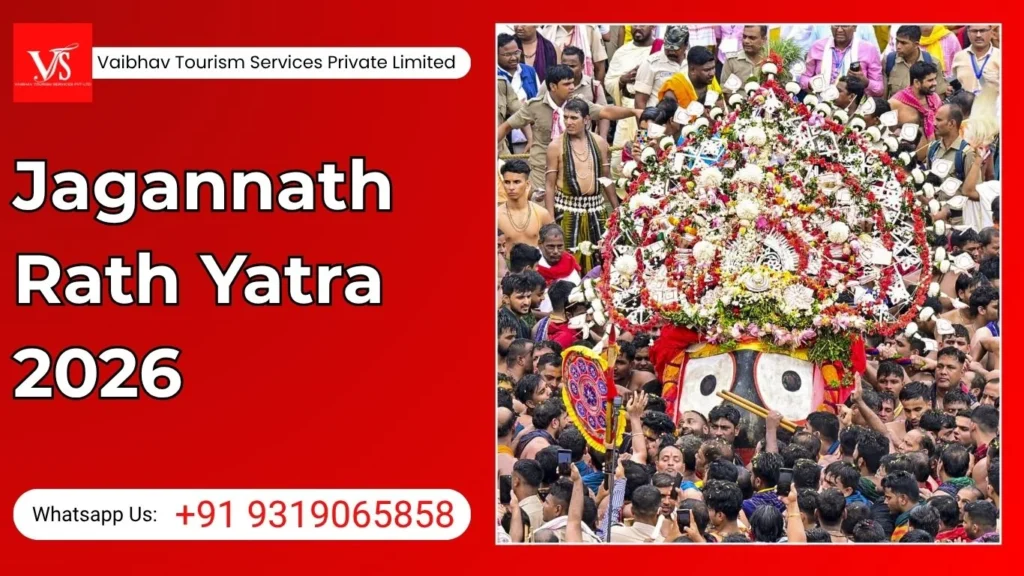
Jagannath Rath Yatra is one of India’s grandest and most revered Hindu festivals, celebrated every year with immense devotion in the sacred city of Puri, Odisha. During this magnificent festival, Lord Jagannath, along with his elder brother Lord Balabhadra and sister Goddess Subhadra, embarks on a ceremonial journey from the Jagannath Temple to the Gundicha Temple in beautifully decorated wooden chariots.
Every year, millions of devotees, pilgrims, and travelers from India and around the world gather in Puri to witness this extraordinary event. Moreover, the festival is not only a symbol of deep faith but also a celebration of unity, culture, and centuries-old traditions. Additionally, the sight of thousands of devotees pulling the massive chariots while chanting devotional hymns creates an unforgettable spiritual experience. As a result, the entire city transforms into a vibrant center of devotion and celebration.
Therefore, if you are planning to attend Jagannath Rath Yatra 2026, this complete travel guide will help you understand its history, religious significance, important rituals, travel tips, and the best ways to experience one of India’s most spectacular festivals. Furthermore, you’ll discover essential information that will help you plan a comfortable and memorable pilgrimage to Puri.
This version includes additional transition words such as During, Every year, Moreover, Additionally, As a result, Therefore, and Furthermore, which should improve your Yoast transition-word score.
What is Jagannath Rath Yatra?
Jagannath Rath Yatra is the annual chariot festival of Lord Jagannath, one of the most sacred forms of Lord Vishnu. During the festival, Lord Jagannath, Lord Balabhadra, and Goddess Subhadra leave the Jagannath Temple and travel approximately three kilometers to the Gundicha Temple aboard three beautifully decorated wooden chariots. Moreover, this sacred procession symbolizes the annual journey of the deities and attracts millions of devotees from across India and around the world. As a result, the festival has become one of the largest and most significant religious celebrations in Hinduism.
According to Hindu tradition, this ceremonial journey symbolizes Lord Jagannath’s annual visit to his aunt’s temple, where the deities remain for several days before returning to the main temple during the Bahuda Yatra.
Moreover, Rath Yatra is one of the rare occasions when devotees from all backgrounds can have a close glimpse of the deities without entering the sanctum of the Jagannath Temple. Therefore, the festival holds immense religious significance and attracts millions of devotees every year.
History of Jagannath Rath Yatra
The history of Jagannath Rath Yatra dates back several centuries and is deeply rooted in Hindu traditions and ancient scriptures. According to the Skanda Purana, Brahma Purana, and other sacred texts, the festival has been celebrated in Puri for hundreds of years as an expression of devotion to Lord Jagannath.
Furthermore, historical records suggest that the Rath Yatra has been organized continuously since the 12th century, following the construction of the Jagannath Temple by King Anantavarman Chodaganga Deva. Since then, the festival has evolved into one of the world’s largest religious processions, drawing millions of pilgrims and visitors every year.
Today, Jagannath Rath Yatra is recognized not only as a major Hindu festival but also as a symbol of Odisha’s rich cultural heritage and spiritual traditions.
Why is Jagannath Rath Yatra Celebrated?
Jagannath Rath Yatra commemorates the annual journey of Lord Jagannath, Lord Balabhadra, and Goddess Subhadra from the Jagannath Temple to the Gundicha Temple.
According to Hindu beliefs, this sacred journey symbolizes compassion, equality, and the Lord’s willingness to come out of the temple to bless all devotees, regardless of caste, community, or social status.
Moreover, devotees believe that participating in the Rath Yatra or even witnessing the divine procession brings spiritual blessings, peace, prosperity, and liberation from sins. Therefore, millions of pilgrims travel to Puri every year to become part of this extraordinary celebration of faith.
Jagannath Rath Yatra 2026 Date & Schedule
The Jagannath Rath Yatra 2026 will be celebrated on:
📅 Date: 16 July 2026 (Thursday)
The major events associated with the festival include:
| Event | Date |
|---|---|
| Snana Purnima | 29 June 2026 |
| Anavasara Period | 29 June – 14 July 2026 |
| Nava Jaubana Darshan | 15 July 2026 |
| Jagannath Rath Yatra | 16 July 2026 |
| Hera Panchami | 20 July 2026 |
| Bahuda Yatra (Return Journey) | 24 July 2026 |
| Suna Besha | 25 July 2026 |
| Adhara Pana | 26 July 2026 |
| Niladri Bije | 27 July 2026 |
Note: Festival dates are based on the Hindu lunar calendar and may vary slightly according to the official Jagannath Temple calendar.
The Three Sacred Chariots of Jagannath Rath Yatra
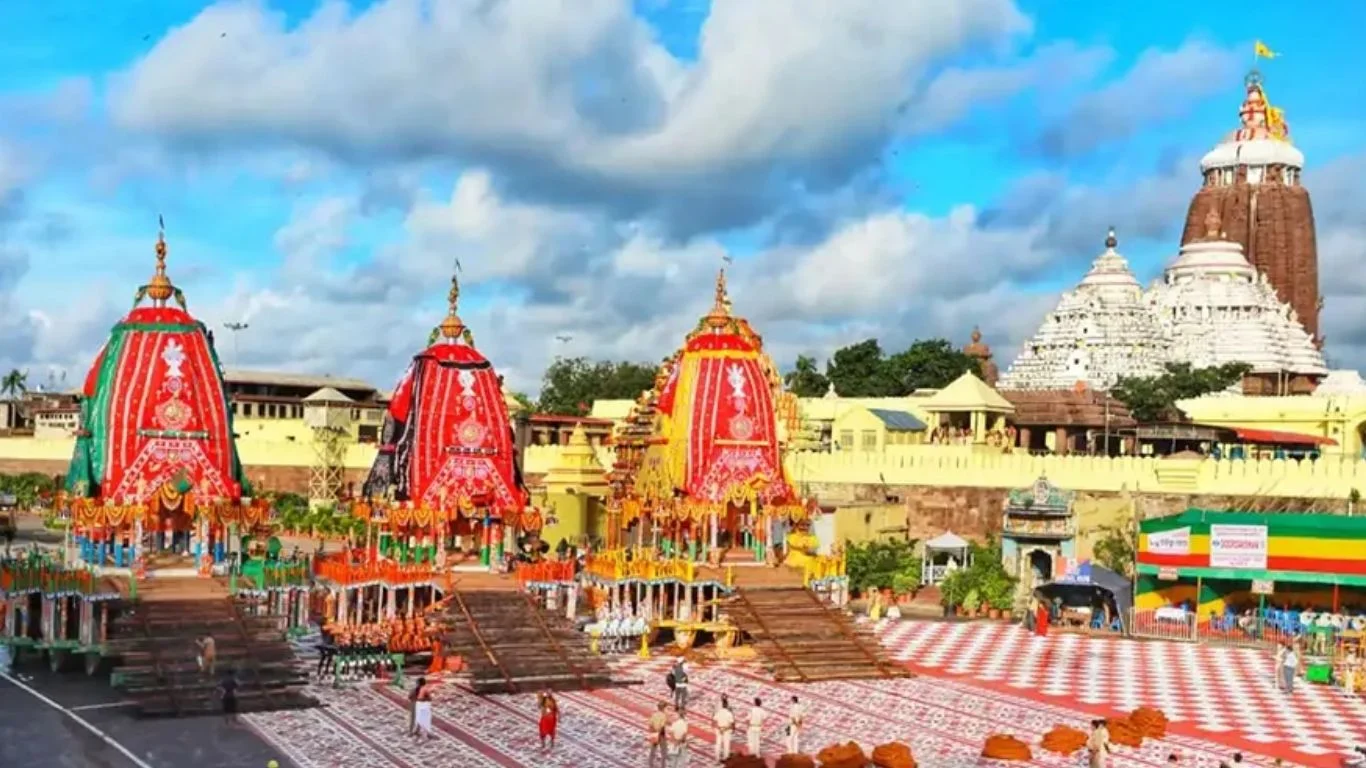
One of the most fascinating aspects of Jagannath Rath Yatra is the magnificent procession of the three beautifully decorated wooden chariots. Every year, new chariots are handcrafted using sacred neem wood (Daru) by skilled artisans following centuries-old traditions. Moreover, each chariot is uniquely designed and dedicated to one of the three deities.
1. Nandighosha – Chariot of Lord Jagannath
Significance
Nandighosha is the grand chariot of Lord Jagannath, the principal deity of the Rath Yatra. It is the largest and most magnificent of the three chariots. Moreover, devotees believe that pulling this sacred chariot brings immense spiritual merit and divine blessings.
Key Features
- Deity: Lord Jagannath
- Height: Approximately 45 feet
- Wheels: 16
- Canopy Colour: Red and Yellow
- Charioteer: Daruka
- Guardian Deity: Garuda
2. Taladhwaja – Chariot of Lord Balabhadra
Significance
Taladhwaja is the sacred chariot of Lord Balabhadra, the elder brother of Lord Jagannath. According to tradition, this chariot always leads the procession, symbolizing strength, protection, and righteousness.
Key Features
- Deity: Lord Balabhadra
- Height: Approximately 44 feet
- Wheels: 14
- Canopy Colour: Red and Green
- Charioteer: Matali
- Guardian Deity: Vasudeva
3. Darpadalana – Chariot of Goddess Subhadra
Significance
Darpadalana, also known as Devadalana, is the beautiful chariot of Goddess Subhadra, the younger sister of Lord Jagannath and Lord Balabhadra. Furthermore, the name “Darpadalana” signifies the destruction of pride and ego, inspiring devotees to embrace humility and devotion.
Key Features
- Deity: Goddess Subhadra
- Height: Approximately 43 feet
- Wheels: 12
- Canopy Colour: Red and Black
- Charioteer: Arjuna
- Guardian Deity: Jayadurga
Rath Yatra Procession Route
The Jagannath Rath Yatra follows a sacred route through the holy city of Puri.
The journey begins at the Jagannath Temple and proceeds along the famous Bada Danda (Grand Road) before reaching the Gundicha Temple, which is located approximately 3 kilometres away.
Procession Route
- Jagannath Temple
- Singhadwara (Lion Gate)
- Bada Danda (Grand Road)
- Gundicha Temple
During this grand procession, millions of devotees gather along the route to witness the deities and participate in pulling the massive wooden chariots. As a result, the entire city transforms into a vibrant celebration of faith, devotion, and culture.
Major Rituals of Jagannath Rath Yatra
The Jagannath Rath Yatra is much more than a grand procession. In fact, it is a series of sacred rituals that take place over several weeks, with each ritual carrying deep religious significance.
Snana Purnima
The deities receive a ceremonial bath with 108 sacred pots of water. Afterward, they are believed to fall ill and remain away from public view.
Anavasara
Following Snana Purnima, the deities remain inside the temple for a period known as Anavasara. During this time, devotees are not allowed to have darshan, while the deities are believed to recover.
Nava Jaubana Darshan
On Nava Jaubana Darshan, devotees receive the first glimpse of the rejuvenated deities after the Anavasara period. Therefore, this occasion attracts thousands of pilgrims.
Rath Yatra
Thereafter, Lord Jagannath, Lord Balabhadra, and Goddess Subhadra begin their sacred journey to the Gundicha Temple on their magnificent wooden chariots. As a result, millions of devotees gather to witness this grand procession.
Hera Panchami
Meanwhile, Hera Panchami is a unique ritual in which Goddess Lakshmi symbolically visits the Gundicha Temple in search of Lord Jagannath after he leaves the main temple.
Bahuda Yatra
Afterwards, the three deities return to the Jagannath Temple in another grand procession known as the Bahuda Yatra, after spending several days at the Gundicha Temple.
Suna Besha
Subsequently, on the day after Bahuda Yatra, the deities are adorned with magnificent gold ornaments in a ritual known as Suna Besha. Consequently, thousands of devotees gather to witness this spectacular event.
Adhara Pana
Thereafter, Adhara Pana is a sacred offering made to the guardian deities who accompany the three chariots. During this ritual, priests offer large earthen pots filled with a sweet ceremonial drink and then ritually break them, symbolizing the completion of an important spiritual offering.
Niladri Bije
Finally, Niladri Bije marks the conclusion of the Jagannath Rath Yatra. On this day, Lord Jagannath and his siblings return to the sanctum of the Jagannath Temple. With this final ceremony, the annual Rath Yatra officially comes to an end.
Jagannath Temple – The Sacred Abode of Lord Jagannath
Significance
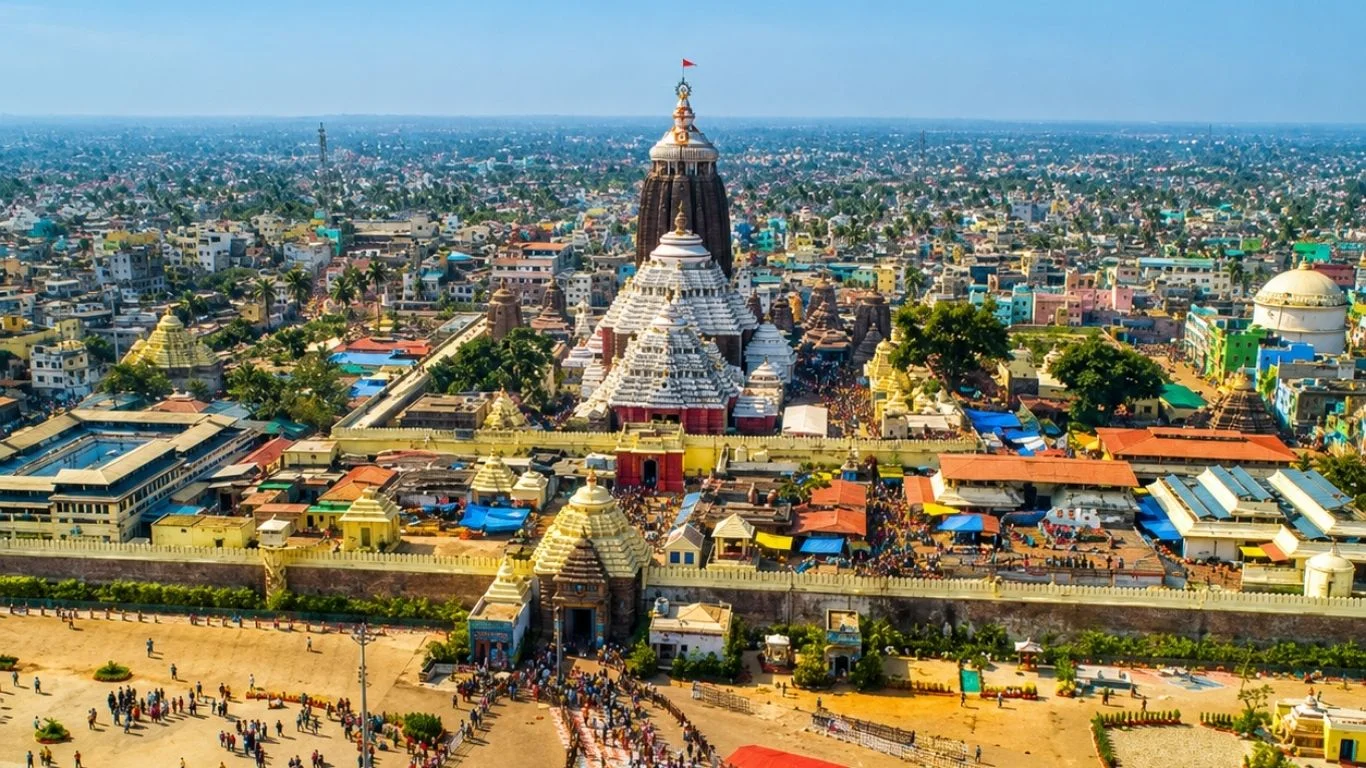
The Jagannath Temple is one of the most sacred Hindu temples in India and an important part of the Char Dham Yatra. Dedicated to Lord Jagannath, along with Lord Balabhadra and Goddess Subhadra, the temple attracts millions of devotees every year.
Moreover, the present temple was built during the 12th century by King Anantavarman Chodaganga Deva of the Eastern Ganga Dynasty. Today, it stands as one of India’s most important pilgrimage destinations and the spiritual heart of Odisha.
The temple is renowned for its magnificent Kalinga-style architecture, unique traditions, sacred Mahaprasad, and the world-famous Jagannath Rath Yatra.
Highlights
- One of the Char Dham pilgrimage sites
- Dedicated to Lord Jagannath, Lord Balabhadra, and Goddess Subhadra
- Magnificent Kalinga-style architecture
- Famous Mahaprasad (Abhada)
- Spiritual center of Odisha
- Venue of the annual Jagannath Rath Yatra
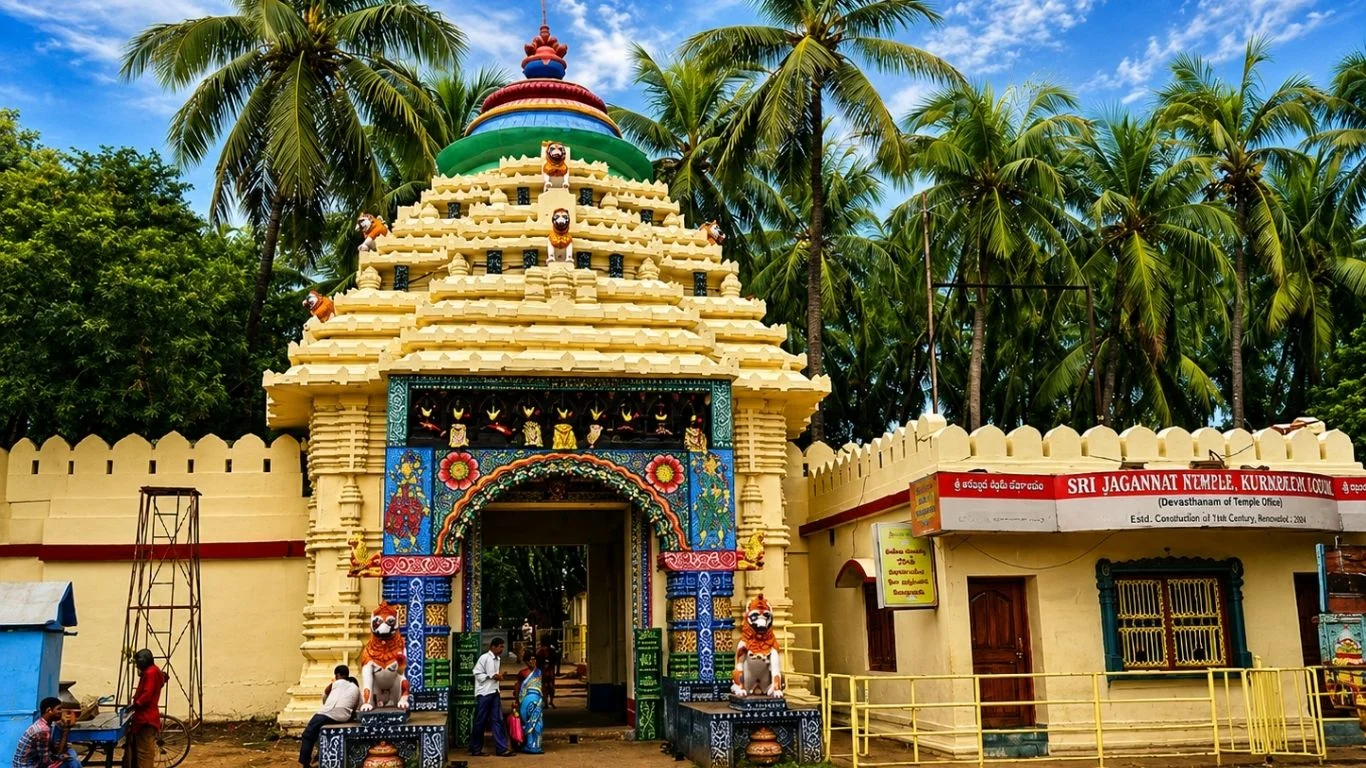
Gundicha Temple – The Destination of Rath Yatra
Significance
The Gundicha Temple is the destination of the annual Jagannath Rath Yatra. According to Hindu tradition, it is regarded as the garden house of Lord Jagannath’s aunt. Therefore, every year the three deities travel from the Jagannath Temple to the Gundicha Temple and stay there for several days before returning during the Bahuda Yatra.
Moreover, devotees believe that visiting the Gundicha Temple during Rath Yatra is highly auspicious and brings immense spiritual merit.
Highlights
- Final destination of the Rath Yatra
- Approximately 3 km from Jagannath Temple
- Sacred stay of the deities
- Peaceful temple complex
- Major pilgrimage attraction during the festival
How to Reach Puri
Puri is well connected by air, rail, and road, making it easily accessible for pilgrims and tourists from across India.
By Air
The nearest airport is Biju Patnaik International Airport, Bhubaneswar, located about 60 km from Puri. Taxis, buses, and private cabs are readily available from the airport.
By Train
Puri Railway Station is directly connected to major Indian cities, including Delhi, Kolkata, Mumbai, Chennai, Hyderabad, Bengaluru, Ahmedabad, and Varanasi.
By Road
Puri has an excellent road network connecting it with Bhubaneswar, Konark, Cuttack, Visakhapatnam, and other nearby cities. Regular government and private buses, taxis, and self-drive options are available.
Where to Stay During Jagannath Rath Yatra
Every year, millions of pilgrims visit Puri during Rath Yatra. Therefore, booking accommodation well in advance is highly recommended.
Accommodation Options
- Luxury Hotels
- Beach Resorts
- Mid-range Hotels
- Budget Hotels
- Dharamshalas
- Temple Guest Houses
- Homestays
Tip: Reserve your accommodation at least 2–3 months before the festival to secure the best location and rates.
Essential Travel Tips for Jagannath Rath Yatra
- Arrive in Puri at least one day before Rath Yatra.
- Book hotels and train or flight tickets well in advance.
- Wear light, comfortable cotton clothing.
- Carry drinking water, sunscreen, and a cap.
- Expect large crowds and cooperate with security personnel.
- Keep your mobile phone and valuables secure.
- Follow local administration and temple guidelines.
- Respect religious customs and traditions.
- Use designated parking and public transport whenever possible.
- Carry a valid photo ID during your journey.
Nearby Attractions in Puri
Besides attending the Jagannath Rath Yatra, visitors can explore several famous attractions around Puri.
- Puri Beach
- Konark Sun Temple (UNESCO World Heritage Site)
- Chilika Lake
- Raghurajpur Heritage Village
- Lokanath Temple
- Narendra Tank
- Sudarshan Crafts Museum
- Pipili Appliqué Village
- Balighai Beach
These destinations can easily be included in a 3 to 5-day Odisha itinerary, offering a perfect blend of spirituality, heritage, culture, and natural beauty.
Frequently Asked Questions (FAQs)
1. When is Jagannath Rath Yatra 2026?
Jagannath Rath Yatra 2026 will take place on 16 July 2026 (Thursday) in Puri, Odisha. Every year, millions of devotees gather on this auspicious day to witness the grand chariot procession.
2. Where is Jagannath Rath Yatra celebrated?
The main Jagannath Rath Yatra takes place in Puri, Odisha, where Lord Jagannath, Lord Balabhadra, and Goddess Subhadra travel from the Jagannath Temple to the Gundicha Temple. However, many cities across India and several countries around the world also organize Rath Yatra celebrations.
3. How long does Jagannath Rath Yatra last?
The festival continues for several days and includes important rituals such as Snana Purnima, Anavasara, Nava Jaubana Darshan, Rath Yatra, Hera Panchami, Bahuda Yatra, Suna Besha, Adhara Pana, and Niladri Bije. Together, these ceremonies complete the annual celebration of Lord Jagannath.
4. Can anyone pull the chariots during Rath Yatra?
Yes. One of the most unique traditions of Jagannath Rath Yatra allows devotees from all communities to participate in pulling the sacred chariots. Moreover, many devotees believe that this sacred act brings divine blessings, spiritual merit, and good fortune.
5. Is prior registration required to attend Rath Yatra?
Generally, devotees do not need prior registration to attend the festival. However, visitors should always follow the latest guidelines announced by the Odisha Government and the local administration before planning their visit.
6. What is the best time to arrive in Puri?
Ideally, arrive in Puri one or two days before the Jagannath Rath Yatra. This allows you to avoid heavy traffic, secure suitable accommodation, and participate in the festival comfortably.
7. Can non-Hindus enter the Jagannath Temple?
According to the temple’s traditional customs, only Hindus may enter the Jagannath Temple. However, visitors from all faiths can witness the magnificent Jagannath Rath Yatra, explore the surrounding areas, and enjoy excellent views of the temple from designated public locations.
8. What should I wear during Rath Yatra?
Wear lightweight cotton clothing and comfortable footwear to stay comfortable throughout the festival. Additionally, carry a cap or umbrella, apply sunscreen, and drink plenty of water to protect yourself from the summer heat while attending the celebrations.
Conclusion
Jagannath Rath Yatra is much more than a religious festival—it is a timeless celebration of faith, devotion, equality, and cultural heritage. Every year, millions of devotees gather in Puri to witness the divine journey of Lord Jagannath, Lord Balabhadra, and Goddess Subhadra as they travel along the city’s historic Grand Road in magnificent wooden chariots.
Moreover, the festival gives visitors a unique opportunity to experience Odisha’s rich traditions, sacred rituals, and vibrant spiritual atmosphere. At the same time, it brings together devotees and travelers from around the world in a remarkable celebration of unity and devotion. Whether you seek divine blessings or wish to witness one of the world’s largest chariot festivals, Jagannath Rath Yatra 2026 offers an unforgettable and spiritually enriching experience.
Therefore, if you are planning to visit Puri during the festival, book your transportation and accommodation well in advance. Additionally, explore nearby attractions such as the Konark Sun Temple, Chilika Lake, and Raghurajpur Heritage Village to make your journey even more memorable. Ultimately, attending the Jagannath Rath Yatra allows you to experience the spiritual essence, cultural richness, and timeless traditions that make Odisha one of India’s most treasured pilgrimage destinations.
Celebrate Jagannath Rath Yatra with Vaibhav Tourism Services Pvt. Ltd.
Experience the spiritual grandeur of Jagannath Rath Yatra 2026 with Vaibhav Tourism Services Pvt. Ltd. (VTSPL). With over 26 years of experience in organizing customized India tours, we offer carefully planned pilgrimage packages, comfortable accommodations, reliable transportation, and professional travel assistance to ensure a smooth and memorable journey.
Whether you are travelling individually, with family, or as part of a group, our experienced team can help you plan a hassle-free pilgrimage to Puri and other sacred destinations across India.
Explore More Spiritual Journeys
- Char Dham Yatra
- 12 Jyotirlinga Tour Packages
- Buddhist Pilgrimage Tours
- South India Temple Tours
- India Temple Tour Packages
Plan your Jagannath Rath Yatra with VTSPL and experience one of India’s most spectacular spiritual celebrations.